Practical CBT Exercises You Can Do at Home for Mental Wellness
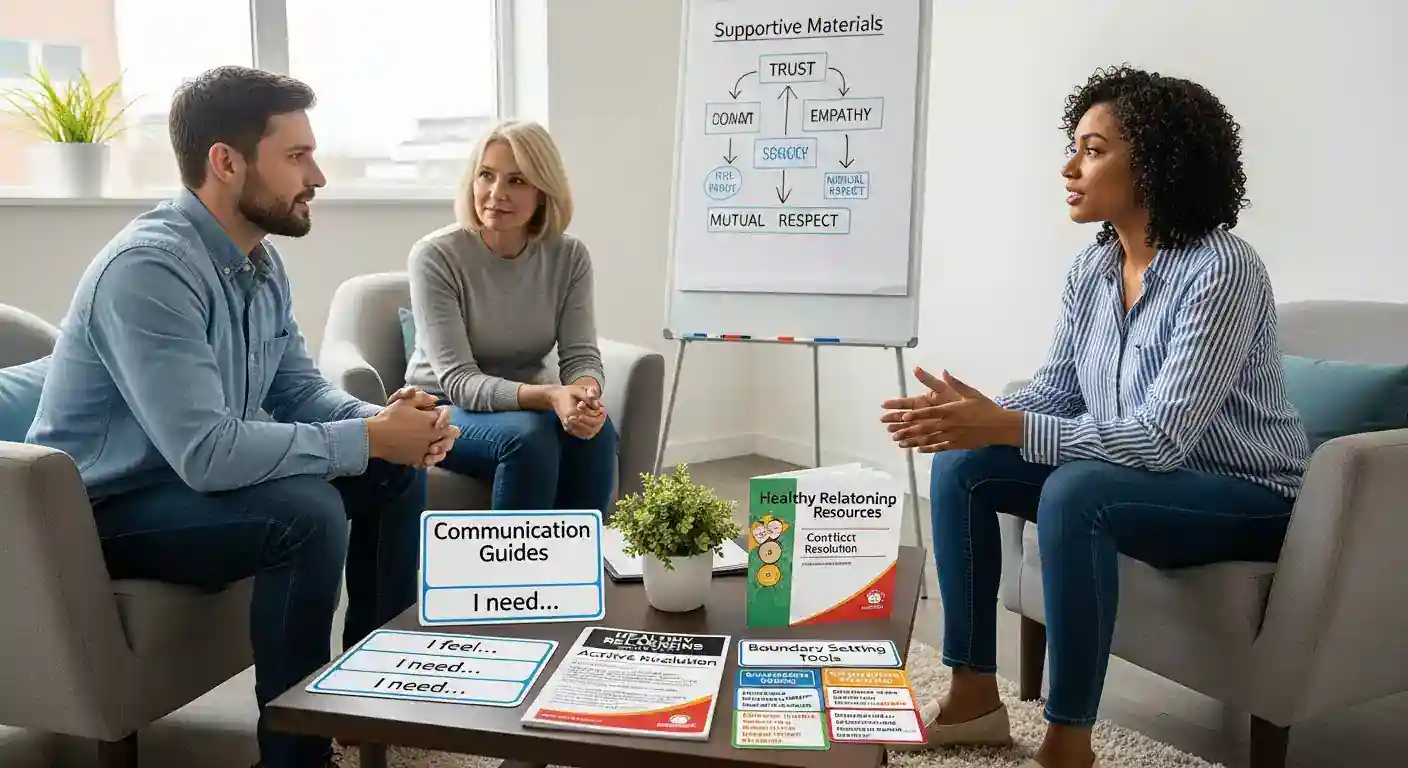
Embarking on a journey towards improved mental wellness often feels daunting, but what if you could start right from the comfort of your home? Cognitive Behavioral Therapy (CBT) offers a powerful framework of techniques that are not only clinically proven but also highly adaptable for self-guided practice. This article delves into practical CBT exercises you can do at home for mental wellness, providing you with accessible tools to challenge unhelpful thought patterns and cultivate healthier emotional responses. You don't need a therapist's office to begin fostering positive change; many core CBT principles can be integrated into your daily routine, empowering you to take proactive steps for your mental health.
Key Points:
- CBT provides accessible self-help techniques for mental wellness.
- Learn to identify and challenge negative thought patterns.
- Integrate simple, effective exercises into your daily life.
- Build emotional resilience and improve mood at home.
- Empower yourself with practical strategies for lasting change.
Understanding CBT: Why It's Effective for At-Home Practice
Cognitive Behavioral Therapy (CBT) is a widely recognized and evidence-based psychotherapy that focuses on the interconnectedness of thoughts, feelings, and behaviors. The fundamental premise is that our thoughts significantly influence our emotions and actions. By learning to identify and modify unhelpful thinking patterns and behaviors, individuals can experience substantial improvements in their mental well-being. This therapeutic approach is particularly effective for at-home practice because many of its core techniques are structured, teachable, and can be applied independently.
The Core Principles of Cognitive Behavioral Therapy
At its heart, CBT teaches you to become your own therapist. It equips you with skills to analyze situations, evaluate your thoughts, and choose more adaptive responses. This isn't about positive thinking alone; it's about realistic, balanced thinking. For instance, when feeling overwhelmed, a CBT approach helps you break down the situation, examine your catastrophic thoughts, and develop concrete steps. This self-efficacy is why so many find CBT beneficial for managing anxiety, depression, stress, and other common mental health challenges, making it ideal for those seeking practical CBT exercises you can do at home for mental wellness.
According to a meta-analysis published in the Journal of Consulting and Clinical Psychology (2024), self-guided CBT interventions, particularly those supported by digital platforms, showed significant efficacy in reducing symptoms of mild to moderate anxiety and depression. This highlights the growing evidence base supporting independent practice.
Essential Practical CBT Exercises You Can Do at Home
Now, let's explore some highly effective practical CBT exercises you can do at home to kickstart your journey toward better mental health. These techniques are designed to be straightforward and can be adapted to fit your specific needs and challenges. Regular practice is key to seeing lasting results and integrating these skills into your daily life.
Thought Records: Challenging Negative Thinking Patterns
One of the cornerstones of CBT is the ability to identify and challenge automatic negative thoughts (ANTs). A thought record is a structured way to do this.
How to do it:
- Situation: Briefly describe the event or situation that led to a distressing emotion. (e.g., "Received an email from my boss about a project deadline.")
- Emotion(s): Name the emotions you felt and rate their intensity (0-100%). (e.g., "Anxious (80%), Inadequate (70%).")
- Automatic Thought(s): Write down exactly what went through your mind. (e.g., "I'm going to fail this project. My boss thinks I'm incompetent. I'll probably get fired.")
- Evidence For: List facts that support your automatic thought. (e.g., "I did struggle with a similar project last year.")
- Evidence Against: List facts that contradict your automatic thought or offer an alternative perspective. (e.g., "I've successfully completed many projects. My boss just gave me a good performance review. The email was a general reminder, not specific criticism.")
- Alternative/Balanced Thought: Based on the evidence, formulate a more balanced and realistic thought. (e.g., "This project is challenging, but I have the skills to tackle it. I can ask for help if needed. My boss trusts me with this responsibility.")
- Re-rate Emotion(s): Rate your emotions again (0-100%). (e.g., "Anxious (40%), Inadequate (20%).")
This exercise helps you see that thoughts are not always facts and that you have the power to reframe them. Consistency with thought records can significantly reduce the impact of negative self-talk, cultivating a more positive internal dialogue.
Behavioral Activation: Re-engaging with Life
When feeling low or anxious, it's common to withdraw and reduce engaging in activities. Behavioral activation aims to break this cycle by encouraging you to schedule and engage in activities that bring pleasure or a sense of accomplishment, even if you don't feel motivated initially.
Steps for practice:
- Identify Valued Activities: Make a list of activities you used to enjoy or would like to try that are aligned with your values. These can be simple: reading, walking, calling a friend, learning a new skill.
- Schedule & Plan: Intentionally schedule these activities into your day or week, just like an important appointment. Start small.
- Track & Reflect: After completing an activity, note how you felt. Did your mood improve, even slightly? Did you gain a sense of accomplishment?
- Overcome Barriers: If you struggle, identify the barriers (e.g., "too tired," "no motivation") and brainstorm solutions. Sometimes, just starting for 5-10 minutes is enough to build momentum.
Regularly engaging in meaningful activities can counteract inertia and low mood, fostering a sense of purpose and progress. This is a vital component of managing anxiety at home and building emotional resilience. For more comprehensive mental health resources, you can explore the category /categories/mental-health-resources.
Relaxation Techniques: Grounding Your Mind and Body
CBT often incorporates relaxation techniques to help manage the physical symptoms of anxiety and stress. These exercises can be done anywhere, anytime.
- Deep Diaphragmatic Breathing: Inhale slowly through your nose for a count of four, feeling your belly rise. Hold for one count. Exhale slowly through your mouth for a count of six, feeling your belly fall. Repeat for several minutes. This engages your parasympathetic nervous system, promoting calm.
- Progressive Muscle Relaxation (PMR): Systematically tense and then relax different muscle groups in your body, starting from your toes and working your way up to your head. Hold each tension for 5 seconds, then release for 15-20 seconds, noticing the sensation of relaxation.
- Mindfulness Meditation: Focus on the present moment without judgment. Pay attention to your breath, bodily sensations, or sounds around you. Even 5-10 minutes of daily mindfulness can enhance your ability to observe thoughts without getting caught up in them.
Graded Exposure: Gradually Facing Fears
For individuals struggling with specific fears or phobias, graded exposure is a powerful CBT technique. It involves gradually and systematically confronting feared situations or objects until anxiety diminishes.
How to implement:
- Create a Hierarchy: List all aspects of your fear, ranking them from least to most anxiety-provoking (e.g., for social anxiety: "thinking about a party" (10%) to "giving a speech" (100%)).
- Start Small: Begin with the lowest-ranked item on your list.
- Practice Until Anxiety Subsides: Repeatedly expose yourself to that item until your anxiety significantly decreases. This process, known as habituation, teaches your brain that the feared situation is not actually dangerous.
- Move Up the Hierarchy: Once comfortable, move to the next item on your list.
This systematic approach empowers you to reclaim control over areas of your life previously dictated by fear.
Integrating Daily CBT Practices for Sustained Well-being
To truly benefit from practical CBT exercises you can do at home, consistency and integration into your daily routine are paramount. These aren't quick fixes but skills that develop over time with deliberate practice.
Mindfulness and Self-Compassion in CBT
While not traditionally a core component, mindfulness and self-compassion have become increasingly integrated into modern CBT approaches. Mindfulness helps you observe your thoughts and feelings without judgment, creating space between you and your reactions. Self-compassion involves treating yourself with kindness and understanding, especially when facing difficulties, rather than harsh self-criticism. Practicing these can significantly enhance the effectiveness of other CBT techniques by fostering a more supportive internal environment. A study in Psychological Science (2023) highlighted that individuals who incorporated self-compassion alongside traditional CBT techniques reported greater reductions in shame and self-blame, leading to more sustainable symptom improvements.
Setting Realistic Goals and Tracking Progress
Just like any skill, mental wellness improvement requires setting achievable goals. Start with small, manageable steps for your at-home CBT practice. For instance, commit to 5 minutes of a thought record or 10 minutes of behavioral activation daily. Use a journal or a simple app to track your practice and observe changes in your mood, thoughts, and behaviors over time. Seeing your progress can be incredibly motivating and reinforce your commitment to these beneficial habits.
Differentiated Insights: Beyond Traditional At-Home CBT
While foundational CBT exercises are invaluable, the landscape of mental wellness is constantly evolving. Here are a couple of differentiated insights that can enhance your at-home practice.
Leveraging Digital Tools for Enhanced At-Home CBT
The rise of technology has brought sophisticated tools directly to our fingertips. Beyond basic journaling, consider using evidence-based CBT apps that offer guided exercises, mood tracking, and personalized feedback loops. Many of these apps incorporate principles of gamification, making the process of practicing CBT more engaging and sustainable. For example, apps developed by clinical psychologists often use AI to help users identify cognitive distortions and suggest relevant exercises, offering a dynamic, personalized approach to practical CBT exercises you can do at home. This blend of structured therapy with modern technology significantly expands accessibility and potential for impact, as noted by a review in The Lancet Digital Health (2025).
The Role of Neuroplasticity in Sustained CBT Changes
A deeper understanding of neuroplasticity—the brain's ability to reorganize itself by forming new neural connections—provides a powerful rationale for consistent CBT practice. Every time you challenge a negative thought, engage in a new behavior, or practice mindfulness, you are literally rewiring your brain. This isn't just about feeling better in the moment; it's about creating new, healthier neural pathways that can lead to lasting changes in how you perceive the world and respond to stress. Recognizing that your efforts are physically shaping your brain can be a powerful motivator for continuing with your daily CBT practices for well-being.
Frequently Asked Questions (FAQ)
Q: How long does it take for at-home CBT exercises to work?
A: The timeline for seeing results from at-home CBT varies significantly among individuals. Some people notice subtle shifts in their thinking or mood within a few weeks of consistent practice. For more significant or deeply ingrained patterns, it might take several months. Regularity is key; even short, daily sessions are more effective than sporadic long ones. Patience and persistence are crucial for long-term benefits.
Q: Is at-home CBT effective for severe mental health conditions?
A: While practical CBT exercises you can do at home are highly effective for managing mild to moderate anxiety, depression, and stress, they are generally not recommended as the sole treatment for severe mental health conditions like major depressive disorder, severe anxiety disorders, or psychotic disorders. In such cases, professional guidance from a therapist or psychiatrist is essential. Self-help CBT can be a valuable supplement to professional therapy but should not replace it for severe conditions.
Q: What if I struggle to do CBT exercises on my own?
A: It's completely normal to face challenges when trying new self-help techniques. If you're struggling, consider starting smaller, breaking down exercises into even more manageable steps. Re-evaluate if the exercise is truly a good fit for your current needs or if you might benefit from additional guidance. Sometimes, even a few sessions with a therapist can provide the necessary structure and personalized feedback to empower your at-home practice. Don't hesitate to seek professional support if self-guided efforts prove difficult.
Q: Can children or teens benefit from at-home CBT?
A: Yes, children and teens can absolutely benefit from adapted practical CBT exercises you can do at home, often with parental guidance. The techniques are frequently simplified and presented in age-appropriate ways, sometimes through games or stories. For younger children, focusing on identifying emotions and simple behavioral changes is a good starting point. For teens, thought records and behavioral activation can be very helpful. It's often best to consult with a child or adolescent therapist to tailor exercises appropriately.
Conclusion: Empower Your Mental Wellness Journey
Taking charge of your mental wellness doesn't always require an appointment or a formal setting. The practical CBT exercises you can do at home for mental wellness outlined here provide a robust toolkit for cultivating emotional resilience, challenging negative thoughts, and building healthier habits. By consistently applying techniques like thought records, behavioral activation, and relaxation, you empower yourself to navigate life's challenges with greater clarity and calm. Remember, progress is a journey, not a destination.
We encourage you to choose one exercise to start with this week and commit to practicing it daily. Share your experiences in the comments below – what has worked best for you? Your insights can inspire others!
For further reading and to continue building emotional resilience, explore our article on /articles/building-emotional-resilience-daily-practices. We also regularly update our content with the latest insights and strategies in mental health. Consider expanding your knowledge on related topics such as:
- Understanding Cognitive Distortions: A deeper dive into common thinking errors.
- Mindfulness-Based Stress Reduction (MBSR) for Home Practice: Expanding beyond basic mindfulness.
- Applying CBT to Specific Phobias: Advanced strategies for targeted fears.