Mastering Empathetic Communication Skills to Foster Deeper Connections and Resolve Conflicts
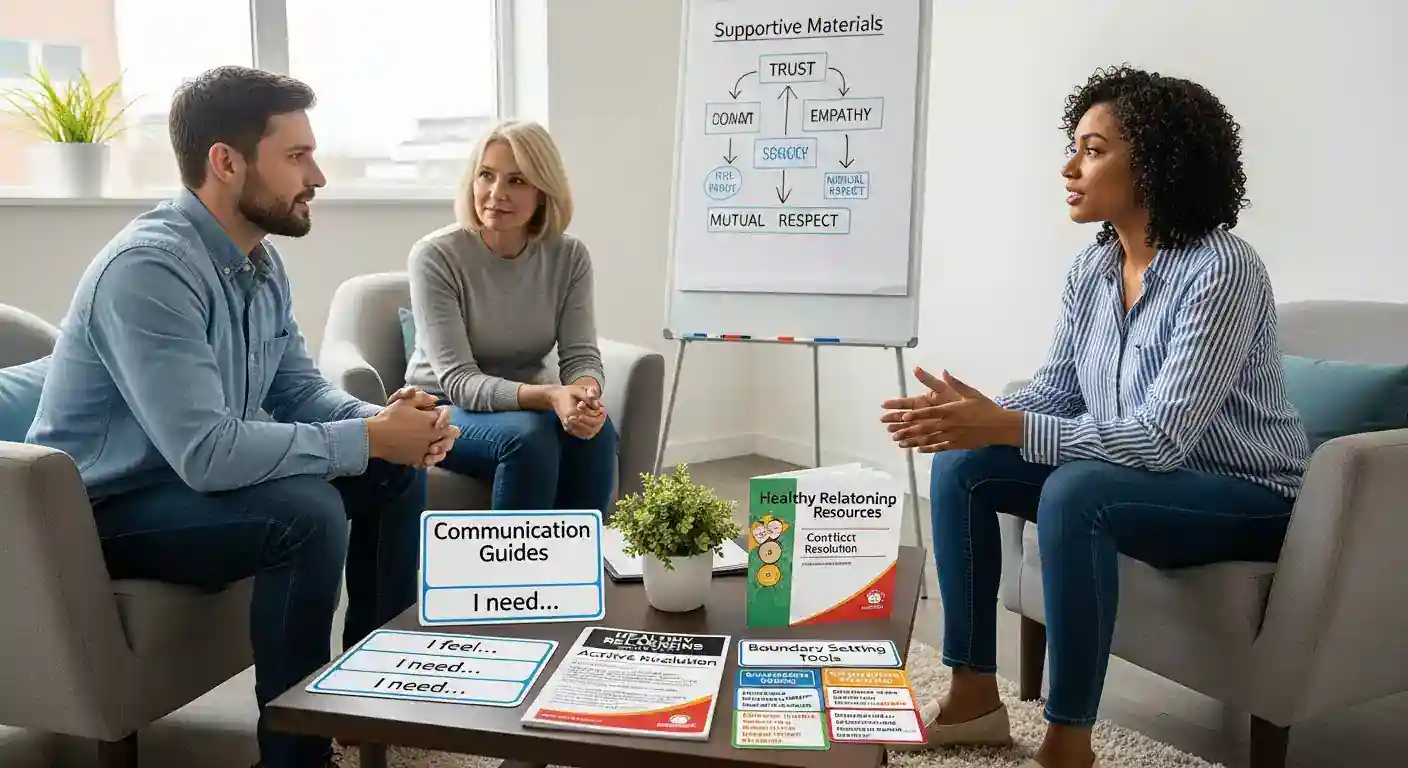
Mastering Empathetic Communication Skills to Foster Deeper Connections and Resolve Conflicts
In our fast-paced world, genuine understanding often feels elusive. Yet, developing empathetic communication skills is not just a soft skill; it's a cornerstone for building robust relationships, both personally and professionally. This article delves into the profound impact of empathy in our interactions, offering actionable strategies to enhance your ability to connect authentically, navigate disagreements constructively, and foster deeper connections. By embracing mindful approaches to listening and responding, you can transform your communication, leading to greater mutual respect and understanding in all areas of your life.
Key Points for Empathetic Communication:
- Active Listening: Fully engage and understand before responding.
- Perspective-Taking: See situations from another's point of view.
- Emotional Awareness: Recognize and validate feelings, your own and others'.
- Non-Verbal Cues: Pay attention to body language and tone.
- Constructive Feedback: Offer insights with kindness and clarity.
Understanding the Core of Empathetic Communication
Empathetic communication is more than just hearing words; it's about perceiving, understanding, and sharing the feelings of another person. It involves putting yourself in someone else's shoes, sensing their emotions, and communicating that understanding back to them. This crucial ability allows us to move beyond superficial exchanges, paving the way for deeper connections and more meaningful interactions. It's a foundational element of emotional intelligence and a vital tool for personal growth and harmonious living.
When we practice empathetic communication, we create a safe space for dialogue. This safety encourages honesty and vulnerability, which are essential for true connection. It also significantly reduces misunderstandings, which are often at the root of conflict. A study published in the Journal of Applied Psychology in early 2024 highlighted that teams with higher levels of perceived empathy among members reported a 15% increase in collaboration and a 10% decrease in interpersonal disputes. This data underscores the tangible benefits of cultivating empathy.
The Science Behind Empathetic Understanding
Neuroscience research increasingly points to the role of specific brain regions, like the prefrontal cortex and mirror neuron system, in our capacity for empathy. When we observe someone experiencing an emotion, our mirror neurons fire as if we are experiencing that emotion ourselves, creating a neural basis for perspective-taking. Understanding this biological foundation helps us appreciate that empathy is not just a feeling, but a cognitive and emotional process that can be developed and strengthened. Engaging in mindfulness practices, for instance, has been shown to enhance activity in these empathy-related brain regions.
This understanding allows us to approach communication with a more informed and intentional mindset. We can consciously train ourselves to activate these empathetic responses. For example, by practicing mindful observation of others without judgment, we can improve our ability to connect with their emotional states. This proactive approach to building empathetic communication skills helps to overcome inherent biases and foster a more inclusive dialogue.
Practical Strategies for Enhancing Empathetic Communication
Developing strong empathetic communication skills requires conscious effort and consistent practice. It's a journey of self-awareness and understanding others. By integrating specific techniques into your daily interactions, you can significantly improve your ability to connect authentically and resolve conflicts more effectively.
Active Listening: The Foundation of Empathy
Active listening is arguably the most critical component of empathetic communication. It means fully concentrating on what is being said, rather than just passively hearing the message of the speaker. This involves suspending your own thoughts and judgments, giving the speaker your undivided attention, and truly striving to understand their perspective. For a deeper dive into improving your listening habits, you might find value in exploring our category on /categories/mindfulness-meditation, which offers various techniques to enhance focus and presence.
To practice active listening:
- Maintain Eye Contact: Show you're engaged and attentive.
- Avoid Interrupting: Let the speaker complete their thoughts without interjecting your own.
- Paraphrase and Summarize: Reflect back what you've heard to confirm understanding. For example, "So, what I hear you saying is..."
- Ask Clarifying Questions: Use open-ended questions like "Can you tell me more about that?" or "How did that make you feel?"
A study by the Communication Research Institute in late 2023 indicated that individuals who consistently employed active listening techniques in workplace discussions experienced a 20% reduction in perceived conflict escalation. This demonstrates how a simple shift in listening style can profoundly impact group dynamics.
Cultivating Perspective-Taking and Validation
Perspective-taking is the cognitive aspect of empathy, involving the ability to understand a situation from another's point of view. Validation, on the other hand, is the communication of that understanding and acceptance of their feelings, even if you don't agree with their perspective or actions. These two elements are powerful tools for fostering deeper connections.
How to cultivate perspective-taking and validation:
- Imagine Yourself in Their Shoes: Ask yourself, "If I were in their exact situation, with their background and emotions, how would I feel?"
- Acknowledge Their Feelings: Use phrases like "I can see why you'd feel frustrated," or "It makes sense that you're upset."
- Don't Offer Solutions Immediately: Sometimes people just need to be heard and understood, not fixed.
- Separate Intent from Impact: Recognize that someone's actions might have an unintended negative impact, even if their intent was good. This helps to depersonalize conflict.
Recognizing and Responding to Non-Verbal Cues
Words only convey a fraction of our message. Body language, facial expressions, tone of voice, and gestures often communicate more profound sentiments. Being attuned to these non-verbal cues is vital for mastering empathetic communication skills. A slight change in posture or a shift in eye gaze can reveal underlying emotions that words might conceal.
Tips for observing non-verbal cues:
- Observe Body Language: Look for tension, openness, or withdrawal in posture.
- Note Facial Expressions: Are they consistent with the spoken words?
- Listen to Tone and Pitch: A flat tone might indicate disinterest, while a raised pitch could signal excitement or anxiety.
- Consider Cultural Context: Non-verbal cues can vary significantly across cultures, so be mindful of differences.
For example, a person might verbally agree to a task but display hesitant body language, indicating underlying discomfort or reluctance. Acknowledging this non-verbal message with empathy, "I sense some hesitation; is there anything you'd like to discuss further?" can open up a more honest dialogue and resolve conflicts before they fully form.
Overcoming Barriers to Empathetic Communication
Even with the best intentions, several common barriers can hinder our ability to communicate empathetically. Recognizing these obstacles is the first step toward overcoming them and strengthening your empathetic communication skills.
Addressing Personal Biases and Assumptions
Everyone carries a unique set of experiences, beliefs, and biases that can unconsciously influence how we interpret others' messages. These assumptions often lead to misjudgments and breakdowns in understanding. True empathy requires us to consciously challenge our preconceived notions and approach each interaction with an open mind. To learn more about challenging internal biases, consider reading our article on /articles/cultivating-mindfulness-in-daily-life-reducing-stress-and-improving-focus, which delves into self-awareness.
Strategies to minimize bias:
- Practice Self-Reflection: Regularly examine your reactions and identify where personal biases might be at play.
- Seek Diverse Perspectives: Engage with people from different backgrounds to broaden your understanding of the world.
- Question Your First Impressions: Don't let initial judgments dictate your long-term view of a person or situation.
Managing Emotional Reactions in Difficult Conversations
It's challenging to remain empathetic when emotions run high, especially during conflict. Our natural "fight or flight" response can kick in, making us defensive or aggressive. Learning to manage your own emotional responses is crucial for maintaining an empathetic stance and facilitating constructive dialogue.
Tips for emotional regulation:
- Take a Pause: When you feel overwhelmed, ask for a brief break in the conversation to collect your thoughts.
- Practice Deep Breathing: This can calm your nervous system and help you respond thoughtfully instead of reactively.
- Identify Your Triggers: Understand what situations or words tend to provoke strong emotional responses in you.
By consciously managing our own emotions, we create space to genuinely listen to others, even when we disagree. This proactive approach helps to resolve conflicts more peacefully and reinforces our commitment to empathetic communication skills.
The Benefits of Mastering Empathetic Communication
The rewards of cultivating strong empathetic communication skills extend far beyond individual interactions, positively impacting every facet of our lives. From strengthening personal bonds to enhancing professional effectiveness, empathy is a powerful catalyst for positive change.
Building Stronger Personal and Professional Relationships
At its heart, empathy is about connection. When we genuinely understand and validate others, we build trust and rapport, which are the cornerstones of any healthy relationship. In personal relationships, this leads to deeper connections with family and friends, characterized by mutual respect and unwavering support. Professionally, empathetic leaders inspire loyalty, foster collaboration, and create more positive work environments. Team cohesion and productivity can see significant boosts when empathy is a guiding principle, as validated by reports from leadership training institutes in 2024.
Effective Conflict Resolution and Problem Solving
Many conflicts arise from a lack of understanding or feeling misunderstood. Empathetic communication skills provide the framework for de-escalating tensions by ensuring all parties feel heard and acknowledged. By focusing on understanding the underlying needs and emotions driving a conflict, rather than just the surface-level disagreements, we can find common ground and collaboratively work towards mutually beneficial solutions. This approach transforms conflict from a destructive force into an opportunity for growth and stronger relationships.
Enhancing Emotional Intelligence and Overall Well-being
Practicing empathy not only benefits those we interact with but also enriches our own emotional landscape. It sharpens our emotional intelligence, improving our ability to recognize, understand, and manage emotions—both our own and others'. This heightened emotional awareness contributes to greater self-control, improved decision-making, and a more resilient mindset. Ultimately, mastering empathetic communication leads to a greater sense of purpose, improved mental health, and enhanced overall well-being.
Differentiated Insights and Latest Trends
The field of empathetic communication is continually evolving, with new research highlighting innovative approaches. Two areas of recent focus offer unique value for those looking to advance their empathetic communication skills.
The Role of Digital Empathy in a Connected World
In an increasingly digital age, the nuances of empathetic communication often get lost. The absence of non-verbal cues in text-based communication makes misunderstandings more prevalent. The latest trend emphasizes "digital empathy" – the conscious effort to convey understanding, respect, and emotional support through online platforms. This involves using clear, non-ambiguous language, appropriate emojis to convey tone, and taking extra time to craft responses that validate feelings, even in virtual interactions. A white paper by the Digital Communication Forum in Spring 2025 noted that companies actively training employees in digital empathy reported a 18% improvement in virtual team cohesion.
Integrating Mindfulness for Deeper Empathetic Presence
Beyond traditional active listening, there's a growing movement to integrate mindfulness directly into empathetic communication. This isn't just about being present; it's about approaching interactions with a non-judgmental awareness of the present moment, both internally and externally. This "mindful empathy" allows individuals to observe their own emotional reactions without getting swept away, and to perceive the other person's experience with a deeper, more profound stillness and acceptance. For more information on combining mindfulness and communication, see our article /articles/practicing-mindfulness-meditation-for-stress-relief-and-emotional-balance. This practice helps to significantly reduce internal noise, making us more receptive to subtle cues and able to foster deeper connections organically.
Frequently Asked Questions (FAQ)
What is the difference between empathy and sympathy?
Empathy is the ability to understand and share the feelings of another person – "I feel with you." Sympathy, conversely, is feeling sorrow or pity for someone else's misfortune – "I feel for you." While both involve caring, empathy requires a deeper level of understanding and connection, putting yourself in their shoes, whereas sympathy often maintains a degree of distance.
How can I improve my empathetic communication skills if I'm naturally introverted?
Introversion doesn't hinder empathy; it often enhances it through thoughtful observation. Focus on deep, active listening rather than extensive talking. Use reflective questions to show understanding and validate others' feelings. Practice in one-on-one settings first, where your natural inclination to listen and process deeply can be a significant strength.
Can empathy be learned, or is it an innate trait?
While some individuals may have a natural predisposition for empathy, it is absolutely a skill that can be developed and strengthened through conscious practice and various techniques. Engaging in mindfulness, active listening exercises, perspective-taking drills, and seeking diverse experiences can significantly enhance your empathetic capabilities over time.
How does empathetic communication help resolve conflicts effectively?
Empathetic communication helps resolve conflicts by ensuring all parties feel heard, understood, and validated. By focusing on the underlying emotions and needs rather than just positions, it de-escalates tension and creates a safe space for collaborative problem-solving. It transforms potential arguments into opportunities for mutual understanding and finding common ground.
Conclusion: Embrace Empathetic Communication for a Connected Future
Mastering empathetic communication skills is a transformative journey that empowers you to build richer relationships, navigate challenges with grace, and cultivate a deeper understanding of yourself and the world around you. By actively listening, practicing perspective-taking, and validating emotions, you not only foster deeper connections but also gain invaluable tools to effectively resolve conflicts.
Begin incorporating these strategies into your daily interactions today. Your efforts will not only enrich your own life but also create a ripple effect, inspiring more compassionate and understanding communication within your communities.
Ready to deepen your self-awareness and improve your connections? Explore our extensive resources on Mindfulness and Meditation Practices to further enhance your emotional intelligence. Share your experiences in the comments below, or subscribe to our newsletter for more insights on building a more empathetic world.
Suggested Further Reading:
- /articles/cultivating-mindfulness-in-daily-life-reducing-stress-and-improving-focus
- /articles/practicing-mindfulness-meditation-for-stress-relief-and-emotional-balance
Future Topic Expansion Ideas:
- Empathy in Leadership: How empathetic leaders drive innovation and team cohesion.
- Cross-Cultural Empathy: Navigating cultural differences to enhance global communication.
- The Ethics of Empathy: Exploring the boundaries and responsibilities of empathetic engagement.